
Water vs Silicone Lube: Choosing the Right Personal Lubricant for You
Share
I get asked about water vs silicone lube more than almost any other product question. The short answer? Both are excellent — but they shine in different situations. Whether you're using toys, condoms, or dealing with sensitive skin, picking the right formula makes a noticeable difference in comfort and performance.
Let's break down the four main types of personal lubricant and when each one works best.
Water-Based Lube: The Versatile Workhorse
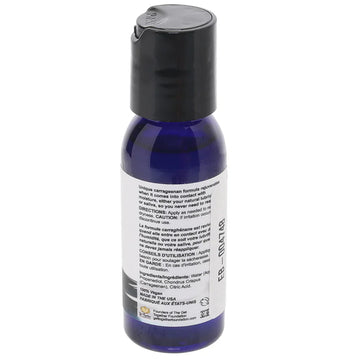
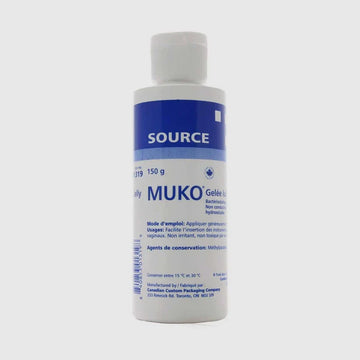
Water-based formulas are the Swiss Army knife of lubricants. They work with every toy material (silicone, glass, metal, TPE), every condom type, and they rinse off easily with just water. If you're new to lube or unsure what to try first, this is your safest bet.
The tradeoff? Water-based lubes absorb into skin and dry out faster than other types, so you may need to reapply during longer sessions. A quick spritz of water reactivates them, though — no need to add more product right away.
Best for: everyday use, toy play, condom compatibility, easy cleanup.
Silicone Lube: Long-Lasting and Luxurious
Silicone-based lubricants feel noticeably slicker and last much longer than water-based options. A little goes a long way, and they don't absorb into skin, which makes them ideal for extended play or shower intimacy (they don't wash off with water).
The catch: silicone lube can degrade silicone toys over time, causing them to become sticky or damaged. If you love your silicone toys, skip this type or do a patch test on the base first. Silicone lube is safe with glass, metal, and hard plastic toys, and it works perfectly with latex and polyurethane condoms.
Cleanup requires soap and water — a quick rinse won't cut it.
Best for: long sessions, shower play, non-silicone toys, massage.
Hybrid Lube: The Middle Ground
Hybrid formulas blend water and silicone, aiming to give you the best of both worlds — the glide of silicone with the easy cleanup of water-based. They last longer than pure water-based lubes but rinse off more easily than pure silicone.
Most hybrids contain a small percentage of silicone (usually 5-15%), which means they're often safe with silicone toys, but I'd still recommend testing on a discreet spot first. Think of hybrids as a compromise: smoother than water-based, easier to clean than silicone, but not quite as slick or long-lasting as pure silicone.
Best for: people who want longevity without heavy cleanup, cautious silicone toy users.
Oil-Based Lube: Natural but Limited
Coconut oil, almond oil, and other natural oils feel luxurious and moisturizing. They last a long time and work beautifully for sensual massage or solo play without latex barriers.
The major limitation: oil degrades latex and polyisoprene condoms, making them unsafe for pregnancy or STI prevention. Oil-based lubes are also harder to wash off and can stain sheets. If you're using condoms or dental dams, skip oil entirely.
Best for: non-barrier intimacy, massage, solo play, natural ingredient preference.
Choosing by Use Case
Here's a quick reference guide to match lube type with common scenarios:
- With silicone toys: Water-based or hybrid (test first)
- With condoms: Water-based, silicone, or hybrid — never oil
- For sensitive skin: Water-based (choose glycerin-free and paraben-free formulas)
- Long sessions: Silicone or hybrid
- Shower or bath: Silicone
- Easy cleanup: Water-based
- Natural preference: Oil-based (without barriers) or organic water-based
What About Ingredients?
If you're prone to irritation or yeast infections, look for formulas labeled glycerin-free and paraben-free. Glycerin is a humectant that keeps lube moist, but some people find it irritating. Parabens are preservatives that extend shelf life but can cause sensitivity in a small percentage of users.
pH-balanced formulas (around 4.5) are gentler on vaginal tissue. Many newer lubes now list their pH on the label — it's worth checking if you've had reactions before.
Finding the Best Lubricant for Sex in Calgary
No single lube works perfectly for everyone, which is why I usually suggest trying a small bottle of two different types to see what feels best for your body and activities. In my experience, most people end up keeping both a water-based and a silicone lube on hand for different situations.
If you're shopping in Calgary and want to see options in person, Heaven Boutique carries a curated range of lubricants across all categories — water-based, silicone, hybrid, and oil. Their staff can walk you through formulas based on your specific needs, whether you're navigating toy compatibility or sensitivity concerns. They offer discreet same-day delivery throughout Calgary, including Downtown, Beltline, Kensington, and Inglewood, with delivery available until 11pm for $18.
Frequently Asked Questions
Can I use water-based lube with all toys?
Yes, water-based lube is safe with every toy material, including silicone, glass, metal, and TPE. It's the most universally compatible option.
Why does my lube feel sticky after a while?
Water-based lubes absorb into skin and can leave a tacky residue as they dry. Reactivate them with a spritz of water, or switch to a silicone or hybrid formula for longer-lasting glide.
Is silicone lube really unsafe for silicone toys?
It can degrade some silicone toys over time, causing surface damage. If you want to try it, test a small amount on the toy's base first and check for stickiness after 24 hours.
What's the best lube for sensitive skin?
Look for water-based formulas labeled glycerin-free, paraben-free, and pH-balanced. Organic and hypoallergenic options are also gentler for reactive skin.